
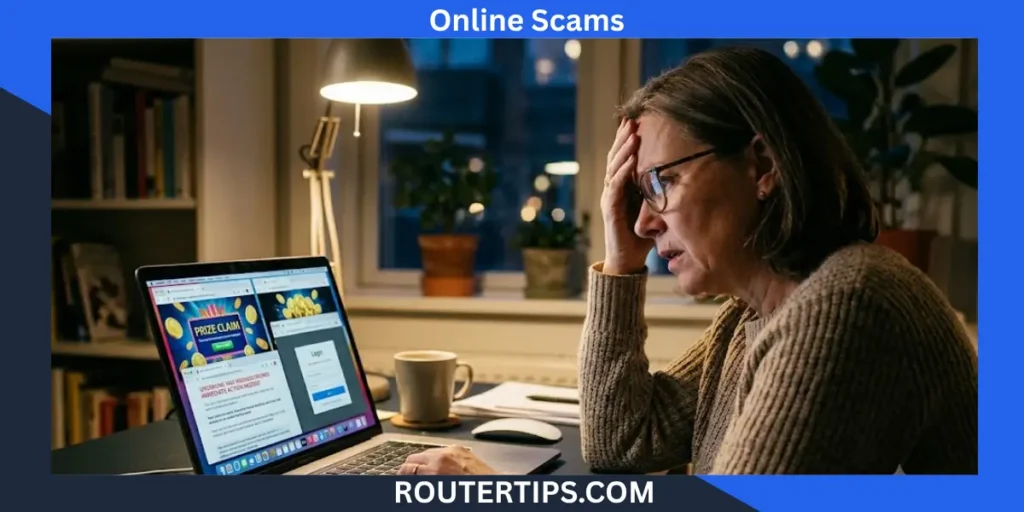
Online Scams Guide | How to Identify & Avoid Online Fraud
Internet scams are a serious issue these days. Scammers attempt to dupe individuals every day via emails, text messages, social media sites, shopping sites, phone calls and fake job offers. They are looking to steal your money, personal information, or online accounts. Anybody can be a victim. If a message appears to be legitimate, it can be easy to be misled even by students, workers, business owners, older adults, or by anyone who uses the internet daily. With smart technology, scammers can now make messages appear more authentic, making it difficult to distinguish between genuine and fake messages. Fortunately, most of the online scams play by the same rules. With a little knowledge, you can be aware of the frequent red flags and know what to watch for to keep yourself safe online. What Are Online Scams? Online scams are a form of fraud that occurs over the Internet and asks for the payment of money, personal information, passwords or financial information. The scams are possible on websites, through email, SMS, phone calls, mobile apps, social media, online marketplaces and messaging.Online scams can target thousands of people in a matter of minutes, unlike the traditional scams. A scammer can either send fake e-mails to millions of people or build a fake shopping site that is almost identical to a prominent brand.The vast majority of online scams are based on a technique known as social engineering, in which the scammer is trying to get the person to make a hasty decision without verifying the information. Often, scammers will try to deceive people into assisting them in hacking a computer. Common targets include: As internet use continues to grow, online scams and frauds have become a major form of cybercrime around the world. Why Are Online Scams Increasing? Several factors have contributed to the rise in online scams. More people now shop, bank, invest, and communicate online than ever before. This creates more opportunities for scammers to find potential victims. Artificial intelligence has also made scams more convincing. Criminals can create realistic fake voices, write professional-looking emails, and even generate fake images or videos to build trust. Another reason is that stolen personal information is widely traded on illegal marketplaces after data breaches. Criminals use this information to create targeted scams that appear genuine. Who Is Most at Risk? Anyone with internet access can become a victim. Some groups may face a higher risk because scammers often target their specific needs or concerns. Examples include: Being cautious and verifying information can help people of all ages stay safe online. How Do Online Scams Work? Although every scam is different, many follow the same basic process. Understanding these steps makes it easier to spot suspicious activity before any damage is done. Finding Potential Victims Scammers first look for people they can contact. They may collect email addresses, phone numbers, or social media profiles from public sources, leaked databases, fake contests, or compromised websites. Some scammers send millions of emails at once, hoping that a small number of people will respond. Others carefully research a specific person before making contact. Building Trust Once contact is made, scammers try to appear trustworthy. They may pretend to be: They often use official logos, professional language, fake websites, and convincing email addresses to appear legitimate. Some scammers spend weeks or even months building relationships before asking for money or sensitive information. This is especially common in online dating scams and online romance scams. Creating Urgency One of the most common tactics is creating pressure. You may see messages such as: Urgency makes people react quickly instead of thinking carefully. A legitimate company usually gives you time to verify information before taking action. Asking for Money or Information After gaining your trust, scammers ask for something valuable. They may request: Many scams also include links to fake websites that collect login credentials. Disappearing Once scammers receive money or personal information, they often stop responding. They may: Recovering lost money can be difficult, which is why prevention is the best defense. Why Do Online Scams Succeed? Many people wonder how scammers continue to fool millions of internet users each year. The answer is simple. Most scams focus on human behavior rather than technology. Scammers often take advantage of emotions such as: For example, a fake banking alert creates fear, while a lottery message creates excitement. A romance scam builds emotional trust over time, making it harder for victims to question the situation. Understanding these emotional triggers can help you pause, verify the information, and avoid making quick decisions. Quick Checklist: Signs You May Be Facing an Online Scam Warning Sign Why It Matters Unexpected email or message Could be a phishing attempt Requests for passwords or OTPs Legitimate companies rarely ask for these Pressure to act immediately Scammers want quick decisions Payment through gift cards or cryptocurrency Difficult to recover once sent Offers that seem too good to be true Common tactic to attract victims Suspicious website address May be a fake version of a trusted site Poor grammar or unusual wording Often found in scam messages Common Types of Online Scams Online scams come in many forms, but most are designed to achieve the same goal: stealing money, personal information, or access to your online accounts. Knowing how these scams work can help you spot them before they cause harm. Below are some of the most common online scams reported by internet users around the world. Phishing Scams Phishing is one of the most common forms of online fraud. In this scam, criminals send fake emails, text messages, or direct messages that appear to come from trusted companies, banks, delivery services, or government agencies. The message usually includes a link to a fake website where you’re asked to sign in or provide sensitive information. Common signs of phishing scams include: Always visit a company’s website by typing the address into your browser instead of clicking links in unexpected messages. Online Shopping Scams Online shopping scams are becoming