
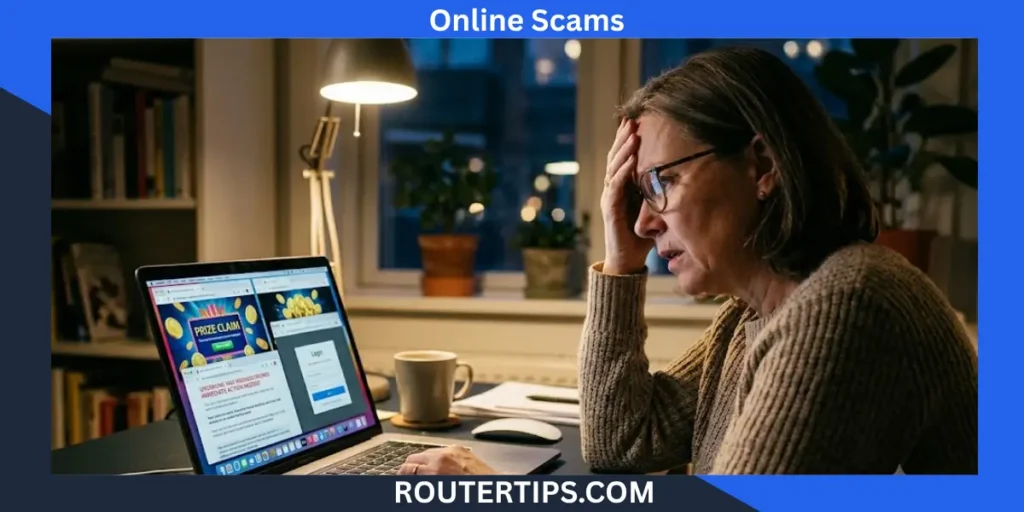
Internet scams are a serious issue these days. Scammers attempt to dupe individuals every day via emails, text messages, social media sites, shopping sites, phone calls and fake job offers. They are looking to steal your money, personal information, or online accounts.
Anybody can be a victim. If a message appears to be legitimate, it can be easy to be misled even by students, workers, business owners, older adults, or by anyone who uses the internet daily. With smart technology, scammers can now make messages appear more authentic, making it difficult to distinguish between genuine and fake messages.
Fortunately, most of the online scams play by the same rules. With a little knowledge, you can be aware of the frequent red flags and know what to watch for to keep yourself safe online.
What Are Online Scams?
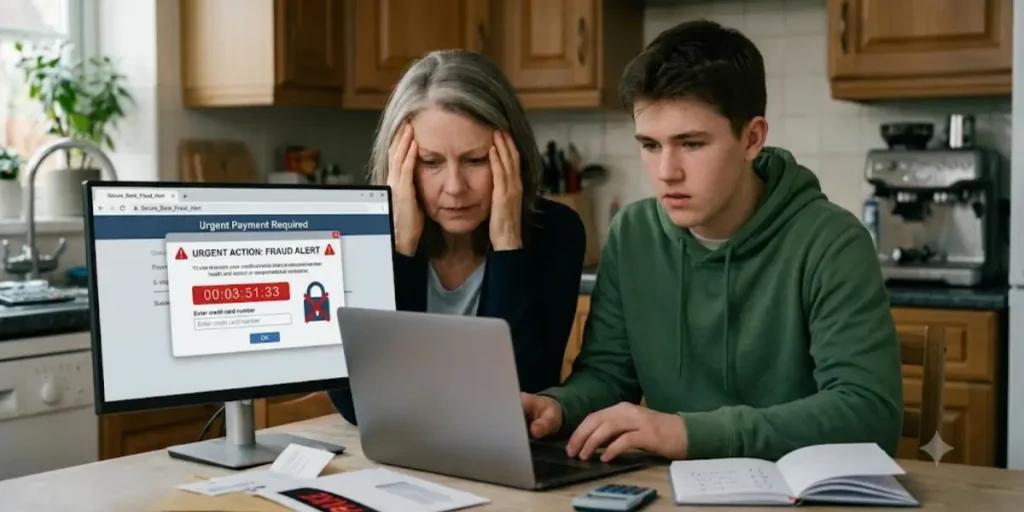
Online scams are a form of fraud that occurs over the Internet and asks for the payment of money, personal information, passwords or financial information. The scams are possible on websites, through email, SMS, phone calls, mobile apps, social media, online marketplaces and messaging.
Online scams can target thousands of people in a matter of minutes, unlike the traditional scams. A scammer can either send fake e-mails to millions of people or build a fake shopping site that is almost identical to a prominent brand.
The vast majority of online scams are based on a technique known as social engineering, in which the scammer is trying to get the person to make a hasty decision without verifying the information. Often, scammers will try to deceive people into assisting them in hacking a computer.
Common targets include:
- Online banking users
- Social media users
- Online shoppers
- Job seekers
- Investors
- Older adults
- Small businesses
- Cryptocurrency users
As internet use continues to grow, online scams and frauds have become a major form of cybercrime around the world.
Why Are Online Scams Increasing?

Several factors have contributed to the rise in online scams.
More people now shop, bank, invest, and communicate online than ever before. This creates more opportunities for scammers to find potential victims.
Artificial intelligence has also made scams more convincing. Criminals can create realistic fake voices, write professional-looking emails, and even generate fake images or videos to build trust.
Another reason is that stolen personal information is widely traded on illegal marketplaces after data breaches. Criminals use this information to create targeted scams that appear genuine.
Who Is Most at Risk?
Anyone with internet access can become a victim.
Some groups may face a higher risk because scammers often target their specific needs or concerns.
Examples include:
- Older adults who may receive fake healthcare or retirement scams
- Students looking for scholarships or part-time jobs
- Job seekers applying for remote work
- Online shoppers searching for discounts
- Cryptocurrency investors
- Small businesses handling online payments
- People using dating websites and apps
Being cautious and verifying information can help people of all ages stay safe online.
How Do Online Scams Work?
Although every scam is different, many follow the same basic process. Understanding these steps makes it easier to spot suspicious activity before any damage is done.
Finding Potential Victims
Scammers first look for people they can contact.
They may collect email addresses, phone numbers, or social media profiles from public sources, leaked databases, fake contests, or compromised websites.
Some scammers send millions of emails at once, hoping that a small number of people will respond. Others carefully research a specific person before making contact.
Building Trust
Once contact is made, scammers try to appear trustworthy.
They may pretend to be:
- A bank representative
- A government agency
- Technical support
- A delivery company
- An employer
- An online seller
- A friend or family member
- A romantic partner
They often use official logos, professional language, fake websites, and convincing email addresses to appear legitimate.
Some scammers spend weeks or even months building relationships before asking for money or sensitive information. This is especially common in online dating scams and online romance scams.
Creating Urgency
One of the most common tactics is creating pressure.
You may see messages such as:
- Your account will be closed today.
- Your payment has failed.
- Someone has accessed your account.
- Claim your prize before it expires.
- Your package cannot be delivered.
- You owe taxes immediately.
Urgency makes people react quickly instead of thinking carefully.
A legitimate company usually gives you time to verify information before taking action.
Asking for Money or Information
After gaining your trust, scammers ask for something valuable.
They may request:
- Credit card numbers
- Banking details
- Passwords
- One-time passwords (OTPs)
- Personal identification
- Cryptocurrency payments
- Gift cards
- Wire transfers
Many scams also include links to fake websites that collect login credentials.
Disappearing
Once scammers receive money or personal information, they often stop responding.
They may:
- Delete their social media accounts
- Shut down fake websites
- Change phone numbers
- Create new identities
- Start targeting new victims
Recovering lost money can be difficult, which is why prevention is the best defense.
Why Do Online Scams Succeed?
Many people wonder how scammers continue to fool millions of internet users each year.
The answer is simple. Most scams focus on human behavior rather than technology.
Scammers often take advantage of emotions such as:
- Fear
- Excitement
- Curiosity
- Trust
- Sympathy
- Greed
- Loneliness
For example, a fake banking alert creates fear, while a lottery message creates excitement. A romance scam builds emotional trust over time, making it harder for victims to question the situation.
Understanding these emotional triggers can help you pause, verify the information, and avoid making quick decisions.
Quick Checklist: Signs You May Be Facing an Online Scam
| Warning Sign | Why It Matters |
| Unexpected email or message | Could be a phishing attempt |
| Requests for passwords or OTPs | Legitimate companies rarely ask for these |
| Pressure to act immediately | Scammers want quick decisions |
| Payment through gift cards or cryptocurrency | Difficult to recover once sent |
| Offers that seem too good to be true | Common tactic to attract victims |
| Suspicious website address | May be a fake version of a trusted site |
| Poor grammar or unusual wording | Often found in scam messages |
Common Types of Online Scams
Online scams come in many forms, but most are designed to achieve the same goal: stealing money, personal information, or access to your online accounts. Knowing how these scams work can help you spot them before they cause harm.
Below are some of the most common online scams reported by internet users around the world.
Phishing Scams

Phishing is one of the most common forms of online fraud. In this scam, criminals send fake emails, text messages, or direct messages that appear to come from trusted companies, banks, delivery services, or government agencies.
The message usually includes a link to a fake website where you’re asked to sign in or provide sensitive information.
Common signs of phishing scams include:
- Unexpected login requests
- Misspelled website addresses
- Urgent security alerts
- Requests for passwords or one-time passwords (OTPs)
- Suspicious attachments
Always visit a company’s website by typing the address into your browser instead of clicking links in unexpected messages.
Online Shopping Scams

Online shopping scams are becoming more common as more people buy products online.
Scammers create fake online stores that advertise popular products at very low prices. After receiving payment, they may send counterfeit items, deliver nothing at all, or disappear completely.
Warning signs include:
- Prices that seem unusually low
- No customer reviews
- Limited contact information
- Only accepting bank transfers or cryptocurrency
- Poor website design and spelling mistakes
Before making a purchase, check reviews, verify the business, and use secure payment methods whenever possible.
Online Dating Scams

In online dating scams, criminals create fake dating profiles to build trust with potential victims.
They spend days or even months communicating before asking for money.
Common reasons include:
- Medical emergencies
- Travel expenses
- Family problems
- Business investments
- Visa fees
Scammers often avoid video calls and make excuses about why they cannot meet in person.
Online Romance Scams

Although similar to dating scams, online romance scams usually involve a longer emotional relationship.
The scammer works hard to gain the victim’s trust before requesting financial help.
Some victims lose thousands of dollars because they genuinely believe they are helping someone they love.
If someone you’ve never met asks for money, treat it as a serious warning sign.
| Scam Type | Main Goal | Common Contact Method |
| Phishing Scam | Steal login details | Email, SMS |
| Online Shopping Scam | Take payment | Fake websites |
| Dating Scam | Build trust and request money | Dating apps |
| Romance Scam | Emotional manipulation | Social media |
| Job Scam | Collect fees or identity data | Job boards |
| Investment Scam | Steal investments | Messaging apps |
| Cryptocurrency Scam | Fake trading opportunities | Social media |
| Loan Scam | Advance fee fraud | Fake lenders |
| Tech Support Scam | Gain remote access | Pop-ups, phone calls |
| Banking Scam | Steal banking information | SMS, email |
| QR Code Scam | Redirect to fake websites | Printed QR codes |
| AI Voice Scam | Emergency payment requests | Phone calls |
What Are the 5 Most Current Online Scams?
Online scams continue to change as technology evolves. Here are five scams that are currently affecting many internet users.
AI Voice Clone Scams
Scammers use artificial intelligence to imitate someone’s voice and create fake emergency situations.
QR Code Payment Scams
Fraudulent QR codes redirect victims to fake payment pages that steal financial information.
Remote Job Scams
Criminals advertise attractive work-from-home jobs before requesting application or training fees.
Cryptocurrency Investment Scams
Fake trading platforms promise guaranteed profits while encouraging victims to invest larger amounts.
Banking Verification Scams
Victims receive fake security alerts asking them to confirm account information through fraudulent websites.
How to Avoid Online Scams
Although scammers continue to develop new tactics, a few good habits can greatly reduce your risk.
Think Before You Click
Avoid opening unexpected links or downloading attachments from unknown senders.
When in doubt, visit the company’s official website directly.
Use Strong, Unique Passwords
Avoid using the same password for multiple accounts.
A strong password should include:
- Uppercase letters
- Lowercase letters
- Numbers
- Symbols
Consider using a trusted password manager to keep track of your passwords.
Enable Two-Factor Authentication
Two-factor authentication (2FA) adds another layer of security.
Even if someone learns your password, they usually cannot access your account without the second verification step.
Final Thoughts About Online Scams
Bad people on the internet change their tricks all the time, but their goal stays the same. They want to steal your money, your private details, or your account passwords. If you stop and think before trusting any website, message, or link, you can protect yourself from most scams.
You do not need to be a computer expert to stay safe online. Simple habits can protect you every day, such as using strong and hard-to-guess passwords, enabling two-factor authentication for extra security, carefully checking website addresses, and avoiding unknown or suspicious links. It is also important to stay updated about new scam methods because cyber criminals constantly change their tactics.
If you ever suspect an online scam, take immediate action. Change your passwords right away, contact your bank if any money was involved, and report the incident to a trusted adult or the relevant authorities. Reporting scams not only protects your own accounts but also helps prevent others from becoming victims of the same trick.
Frequently Asked Questions About Online Scams
Q1. What are the most common online scams?
Some of the most common online scams include phishing emails, online shopping scams, job scams, investment scams, romance scams, tech support scams, cryptocurrency scams, fake banking alerts, and social media scams. These scams often try to steal money, personal information, or login credentials by pretending to be trusted individuals or organizations.
Q2. What are the 5 most current scams?
Some of the most common scams today include AI voice clone scams, QR code payment scams, fake remote job offers, cryptocurrency investment scams, and banking verification scams. Criminals continue to update their methods, so it’s important to stay informed about new scam tactics.
Q3. How do online scammers trick people?
Online scammers often create a sense of urgency or trust. They may pretend to be a bank, government agency, delivery company, employer, or even a friend or family member. Their goal is to convince you to share personal information, click a malicious link, or send money before you have time to verify the request.
Q4. How can I identify an online scammer?
Some common warning signs include requests for money, pressure to act quickly, refusal to verify their identity, suspicious links, fake websites, and offers that seem too good to be true. If something feels unusual, verify the person’s identity before responding.
Q5. How can I check if a website is a scam?
Check the website address carefully, look for HTTPS, read customer reviews, verify the business’s contact information, and use trusted website safety tools such as Google Safe Browsing, VirusTotal, or ScamAdviser. These steps can help you identify potentially fraudulent websites.
Q6. What should I do if I become a victim of an online scam?
If you’ve been scammed, stop communicating with the scammer immediately. Change your passwords, contact your bank or credit card provider, monitor your financial accounts, save any evidence, and report the scam to your local cybercrime authority or law enforcement agency as soon as possible.